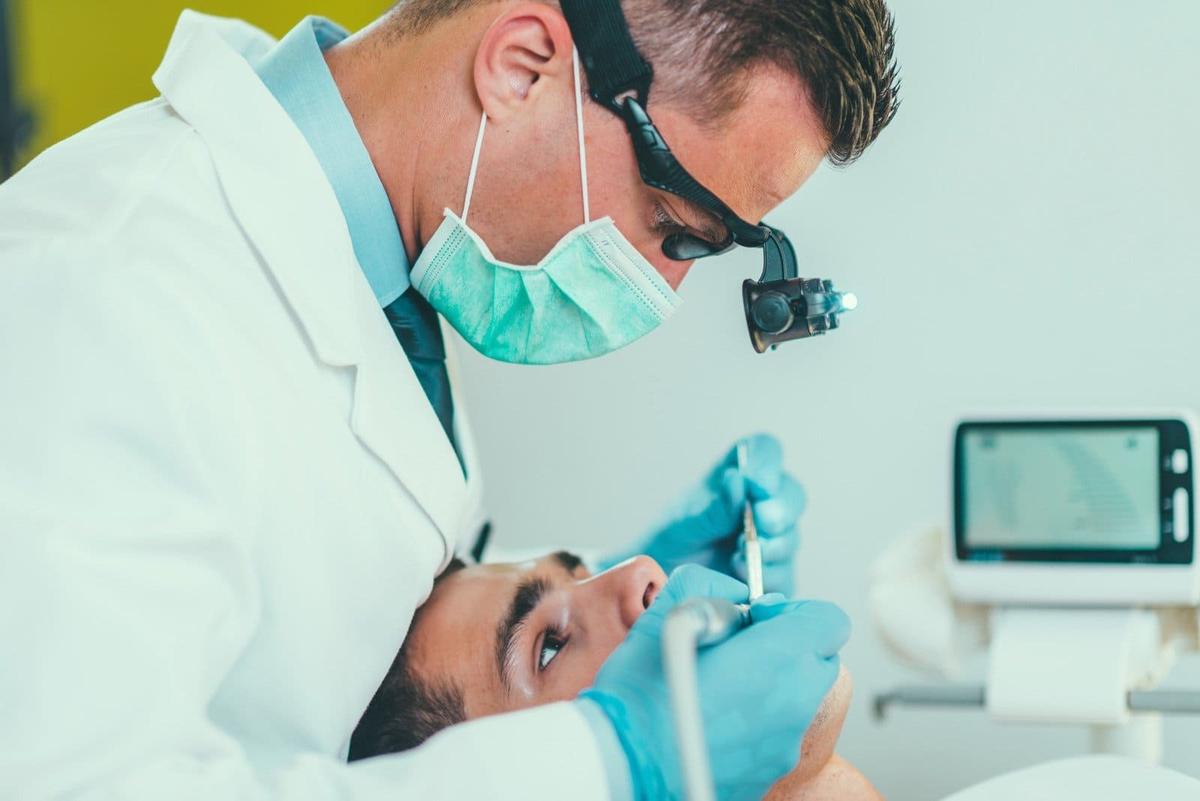
Root Canal Therapy in Oakwood and Lawrenceville, GA
Few dental procedures carry more unnecessary anxiety than root canal therapy. The reality is that modern root canal treatment is comparable to having a filling placed, and it eliminates the severe pain caused by an infected tooth. That matters because patients who avoid treatment out of fear risk losing the tooth entirely or developing a serious infection that spreads beyond the mouth.
For patients in Oakwood and Lawrenceville experiencing persistent tooth pain, understanding what root canal therapy involves often replaces fear with relief.
What Happens Inside a Tooth That Needs a Root Canal
The Dental Pulp and Why It Becomes Infected
Every tooth contains a soft tissue called the pulp, which houses nerves, blood vessels, and connective tissue. The pulp plays an important role during tooth development but is not essential once the tooth is fully formed. When bacteria reach the pulp through deep decay, a crack, or repeated dental procedures, the tissue becomes inflamed and infected.
What Happens Without Treatment
An infected pulp does not heal on its own. The infection gradually destroys the tissue inside the tooth and can spread to the bone surrounding the root, forming an abscess. Abscesses cause intense pain, swelling, and in rare cases can lead to systemic infection. Root canal therapy stops this progression because it removes the infected tissue and seals the tooth against further bacterial invasion.
Signs That Root Canal Treatment May Be Needed
Not every toothache requires a root canal, but certain symptoms strongly suggest pulp involvement. Severe, lingering pain after exposure to hot or cold temperatures is one of the most common indicators. Pain that wakes a patient from sleep or throbs without any apparent trigger also points toward pulp infection.
Swelling or tenderness in the gum near the affected tooth, a small bump on the gum that resembles a pimple, and darkening of the tooth are additional signs. Dr. Sunil Mittal uses diagnostic X-rays and clinical testing to determine whether the pulp is compromised because not all of these symptoms guarantee that a root canal is necessary.
The Root Canal Procedure Step by Step
Numbing and Isolation
The procedure begins with local anesthesia to ensure the patient feels no pain during treatment. A small rubber dam isolates the tooth to keep it dry and free of saliva throughout the procedure. Most patients are surprised at how comfortable the experience is because modern anesthetics are highly effective.
Cleaning and Shaping the Canals
Dr. Mittal creates a small opening in the top of the tooth to access the pulp chamber. Using specialized instruments, the infected pulp tissue is removed and each root canal is carefully cleaned and shaped. An antimicrobial solution flushes the canals to eliminate remaining bacteria.
Filling and Sealing
Once the canals are thoroughly cleaned, they are filled with a biocompatible material called gutta-percha and sealed to prevent reinfection. A temporary filling closes the opening until the final restoration is placed. A dental crown is typically recommended after root canal therapy because it restores the full strength and function of the treated tooth.
Recovery and What to Expect After Treatment
Most patients return to normal activities the same day. Mild soreness around the treated tooth is common for a few days and typically responds well to over-the-counter pain medication. The discomfort from a root canal is significantly less than the pain caused by the infection itself, which is why patients frequently describe the procedure as a relief rather than an ordeal.
It is important to avoid chewing on the treated tooth until the permanent crown is placed. The tooth is more fragile without a crown, and biting on hard foods could cause a fracture that compromises the entire treatment.
Success Rates and Long-Term Outcomes
Root canal therapy has a success rate exceeding 95 percent when performed properly and followed by appropriate restoration. A treated and crowned tooth can function normally for the rest of a patient's life with standard oral hygiene care. Regular dental cleanings and exams allow Dr. Mittal to monitor treated teeth and catch any rare complications early.
The alternative to root canal therapy is extraction, which creates its own set of challenges including bone loss, shifting of adjacent teeth, and the eventual need for an implant or bridge. Saving the natural tooth through root canal therapy is almost always the preferred approach because natural teeth provide better function and stability than any replacement.
Scheduling a Root Canal Consultation at Oakwood Dental and Implants
Dr. Sunil Mittal, DDS, brings a gentle approach and more than 16 years of clinical experience to every root canal case. Patients at both the Oakwood and Lawrenceville offices benefit from thorough diagnostics, clear explanations, and a commitment to comfort throughout the process.
For patients experiencing tooth pain or concerned about a possible infection, prompt evaluation is important. Explore additional services including dental fillings and cosmetic dentistry. Contact the Oakwood office at (770) 534-1816 or the Lawrenceville office at (470) 508-0550.