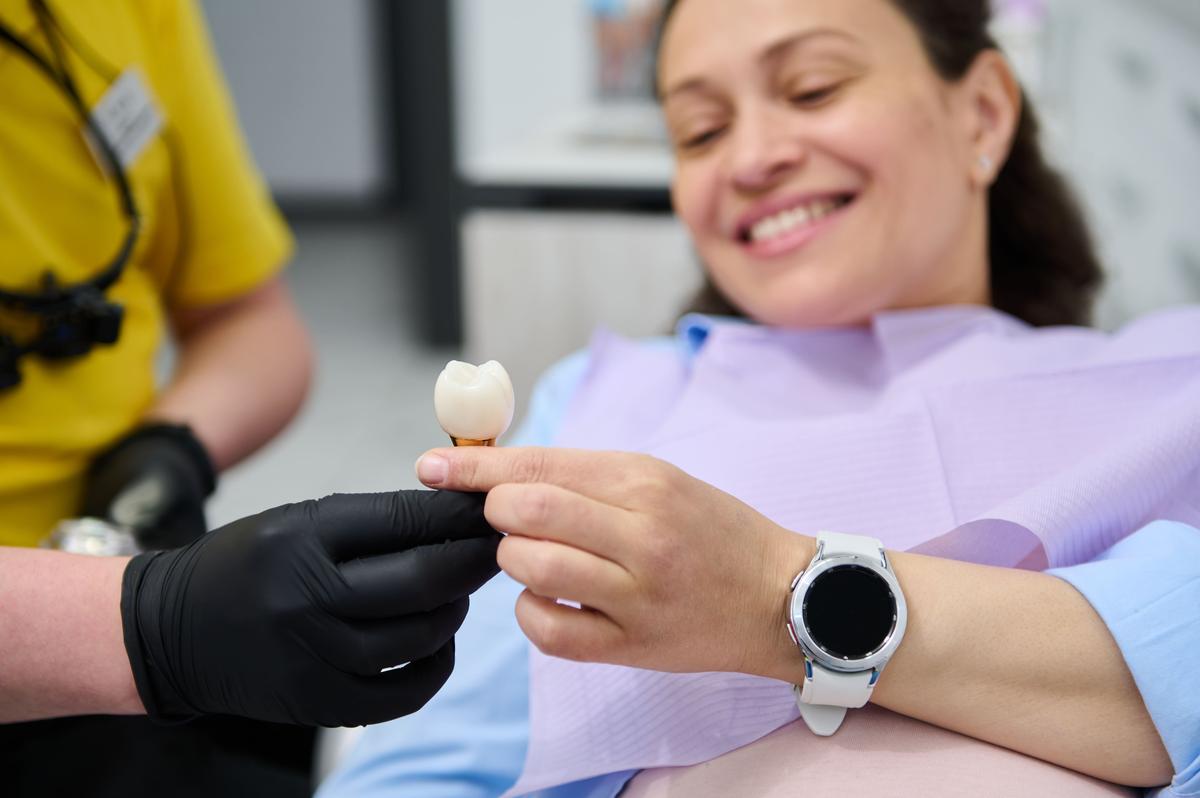
Dental Crowns in Oakwood and Lawrenceville, GA
A tooth that has been weakened by decay, fracture, or a large filling may no longer have enough healthy structure to function on its own. A dental crown restores the full shape, strength, and appearance of a compromised tooth. That matters because saving a natural tooth with a crown is almost always preferable to extraction and replacement.
For patients in Oakwood and Lawrenceville researching dental crowns, understanding the different types, the placement process, and what to expect afterward helps set realistic expectations before the first appointment.
When a Dental Crown Is Recommended
Teeth Weakened by Decay or Fracture
When a cavity becomes too large for a standard filling to restore, a crown provides the structural reinforcement the tooth needs. Cracked or fractured teeth also benefit from crowns because the crown holds the remaining tooth structure together and prevents the crack from spreading deeper toward the root.
After Root Canal Therapy
A tooth that has undergone root canal treatment loses some of its internal structure during the procedure. Without a crown, the treated tooth becomes brittle and is at higher risk of fracturing under normal chewing forces. Dr. Mittal typically recommends a crown following a root canal because it protects the tooth and extends its functional life by years or even decades.
Replacing Old or Failing Restorations
Large, aging metal fillings can weaken the surrounding tooth structure over time. When an old filling fails or the tooth around it begins to crack, a crown replaces the compromised restoration and reinforces the entire tooth. This is a common scenario because many patients have silver fillings placed decades ago that have now reached the end of their effective lifespan.
The Crown Placement Process
Examination and Preparation
The process begins with a thorough examination including X-rays to assess the tooth and surrounding bone. Dr. Sunil Mittal removes any decay and reshapes the tooth to create a stable foundation for the crown. A digital or physical impression captures the exact dimensions of the prepared tooth. This precision matters because even a fraction of a millimeter affects how the crown fits and feels.
Temporary Crown Protection
A temporary crown protects the prepared tooth while the permanent crown is fabricated at the dental laboratory. Patients wear the temporary crown for approximately two weeks. During this time, it is important to avoid sticky or hard foods on that side because temporary crowns are designed to be easily removed at the next appointment.
Permanent Crown Placement
At the second appointment, the temporary crown is removed and the permanent crown is checked for fit, bite alignment, and color match. Once everything meets Dr. Mittal's standards, the crown is bonded permanently into place. Most patients find that the final crown feels natural within a day or two.
Crown Materials and How They Compare
All-Porcelain and All-Ceramic Crowns
Porcelain and ceramic crowns provide the most natural appearance, which is why they are the preferred choice for front teeth and other visible areas. These materials mimic the translucency of natural enamel and can be color-matched precisely to the surrounding teeth.
Porcelain-Fused-to-Metal Crowns
These crowns combine a metal core with an outer porcelain layer. The metal substructure adds strength while the porcelain exterior provides a natural look. They are a reliable option for back teeth that endure heavier chewing forces.
Zirconia Crowns
Zirconia is an extremely strong ceramic material that offers both durability and a natural appearance. It has become increasingly popular because it eliminates the dark metal line that can sometimes appear at the gumline with porcelain-fused-to-metal crowns. Dr. Mittal discusses the best material option for each patient based on the location of the tooth, bite forces, and aesthetic goals.
How Long Dental Crowns Last
A well-made dental crown typically lasts 10 to 15 years, and many crowns remain functional for 20 years or more with proper care. Longevity depends on oral hygiene habits, diet, and whether a patient grinds or clenches their teeth. Regular dental cleanings and exams allow Dr. Mittal to monitor the condition of crowns and catch any issues early.
The tooth beneath the crown can still develop decay at the margin where the crown meets the natural tooth. Thorough brushing and flossing around crowned teeth is essential because this margin is the most vulnerable area.
Insurance, Cost, and Payment Options
Most PPO dental insurance plans cover a significant portion of crown treatment when the crown is deemed medically necessary. Oakwood Dental and Implants accepts most PPO plans at both the Oakwood and Lawrenceville locations. For patients without insurance or with remaining out-of-pocket costs, financing through CareCredit and Sunbit makes treatment accessible because monthly payments spread the cost over time.
Scheduling a Crown Consultation at Oakwood Dental and Implants
Dr. Sunil Mittal, DDS, a graduate of the University of Michigan School of Dentistry, has placed hundreds of crowns across more than 16 years of practice. Every crown case begins with a thorough evaluation and an honest conversation about whether a crown is truly the best option for the situation.
Patients can explore the full range of restorative and cosmetic services available at both locations. To schedule a consultation, contact the Oakwood office at (770) 534-1816 or the Lawrenceville office at (470) 508-0550.